Plane shapes · 3 min read
Rectangle Area: the method, worked through
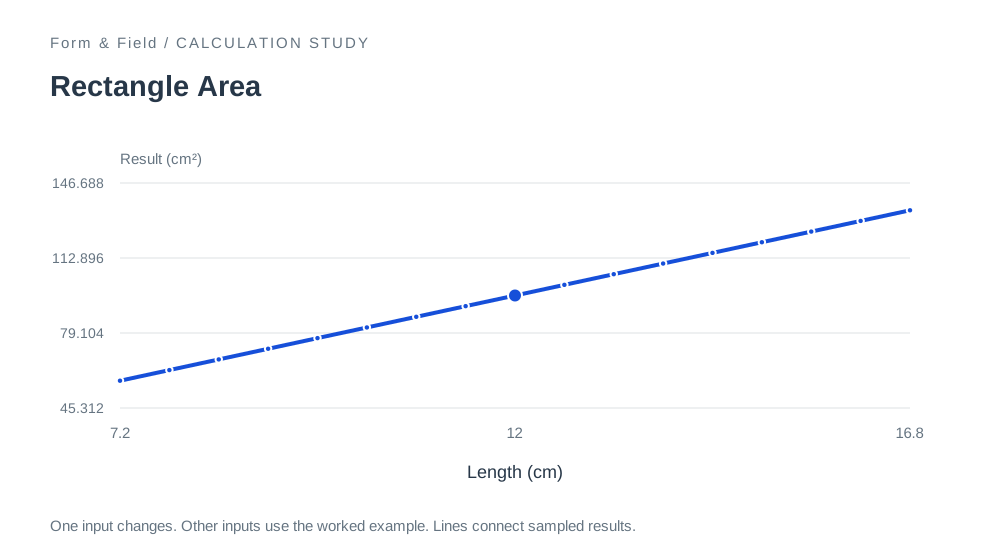
A rectangle partitions into equal rows and columns of square units.
Work through the formula, compare a few scenarios and know where the model stops.
A rectangle partitions into equal rows and columns of square units.
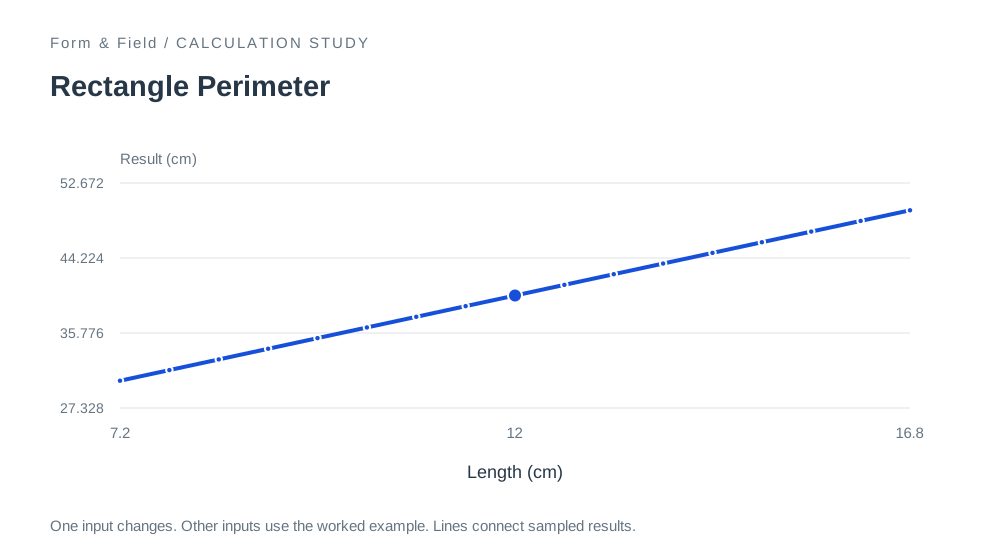
Perimeter measures the full boundary of a rectangle.
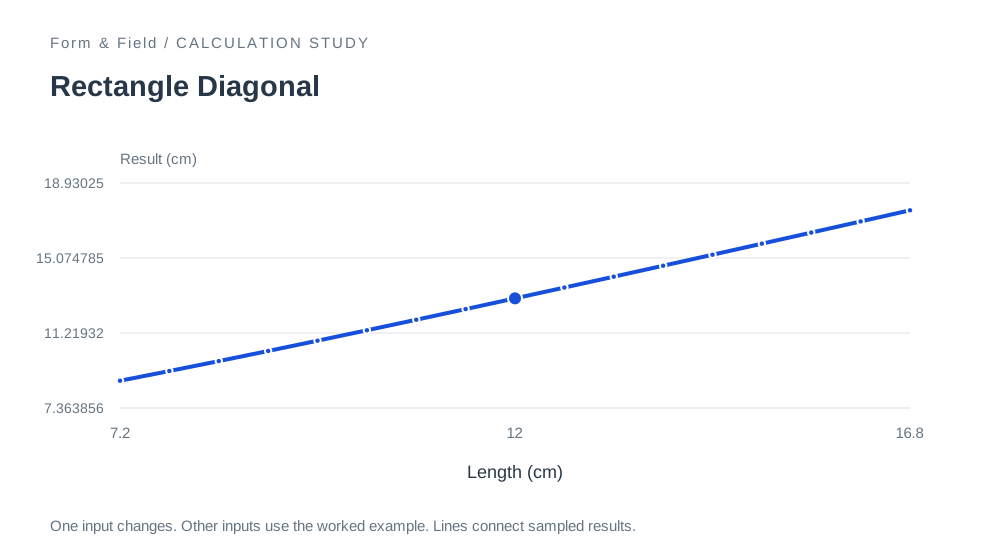
The diagonal joins opposite corners and forms a right triangle with the two sides.
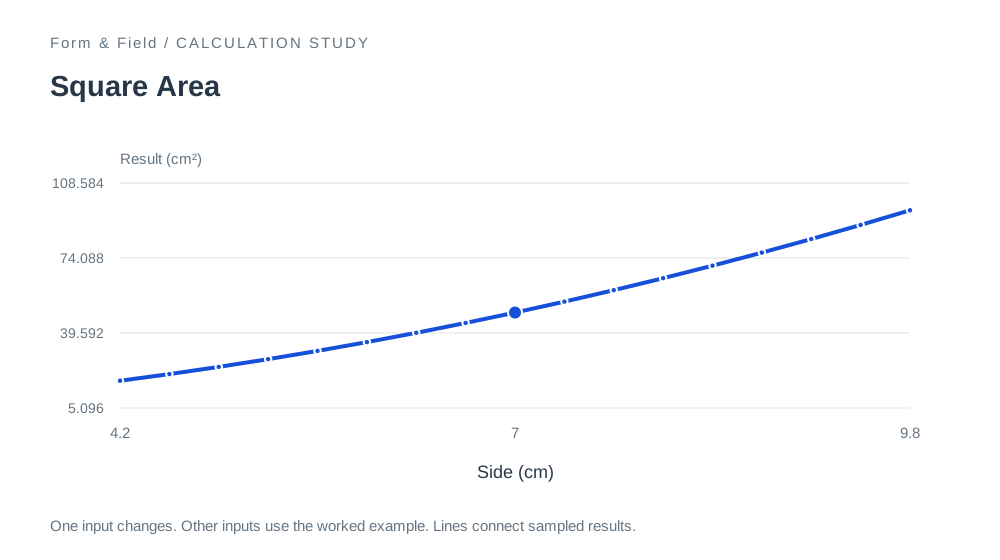
A square has two equal perpendicular dimensions.
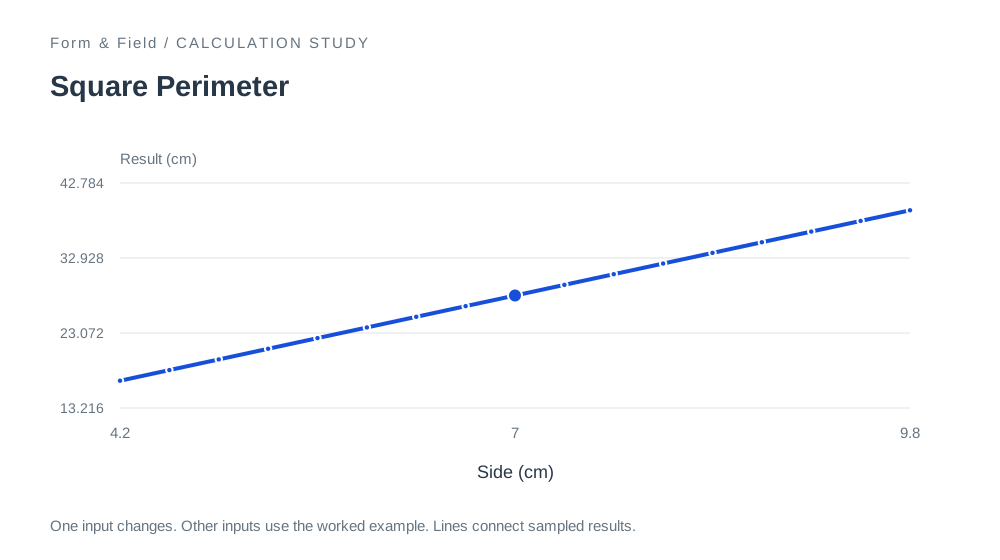
A square has four equal edges, so one side determines the full boundary.
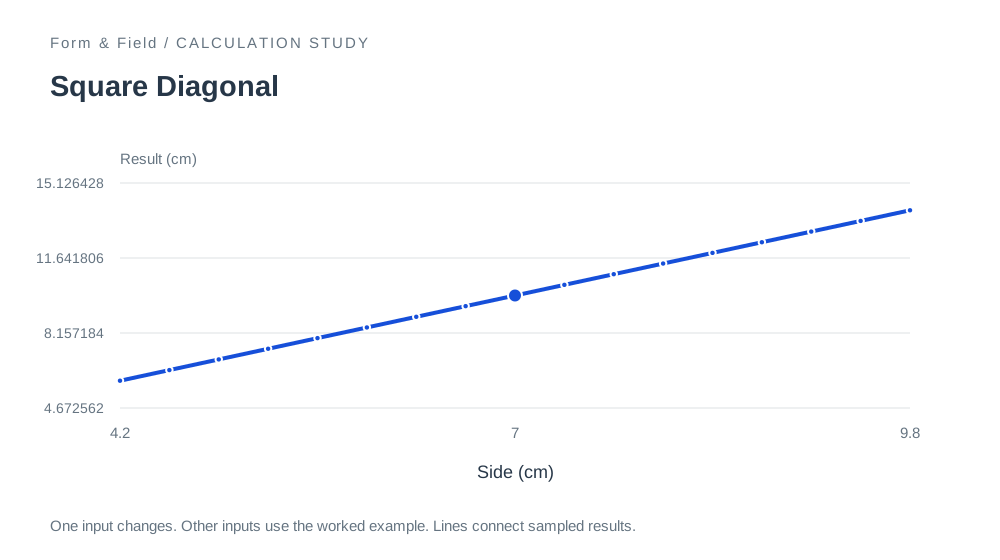
A square diagonal is the hypotenuse of an isosceles right triangle.
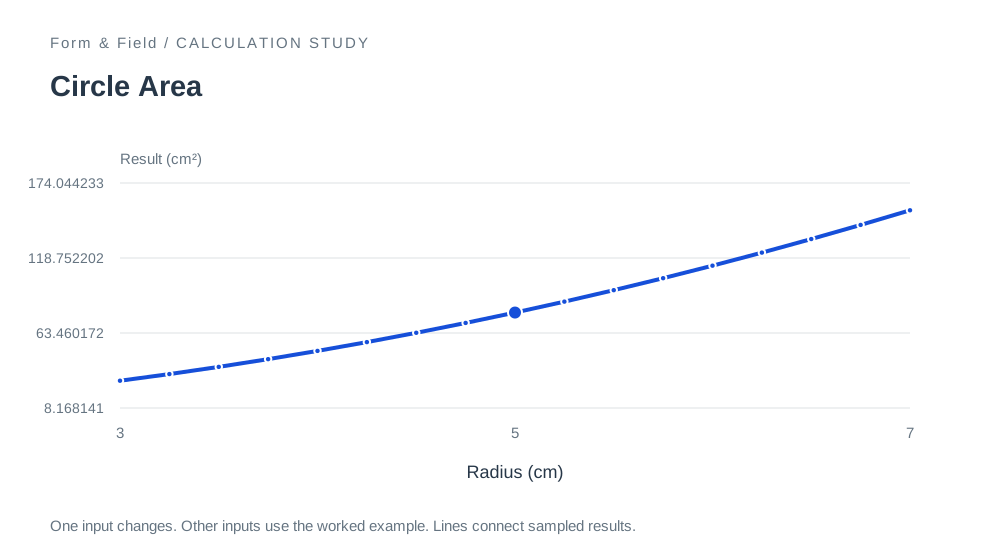
Circle area depends on the square of the distance from the centre to the boundary.
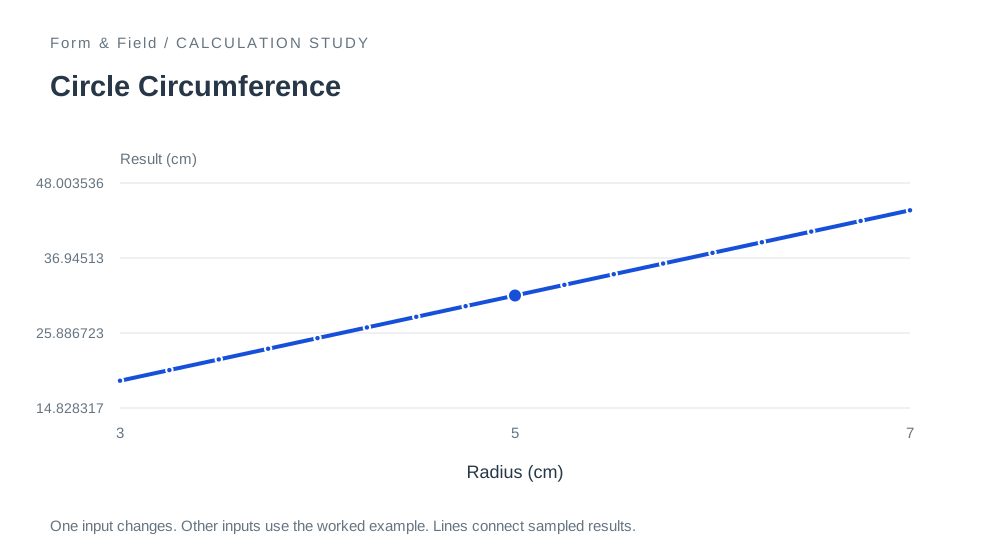
The circumference is the length around a circle.
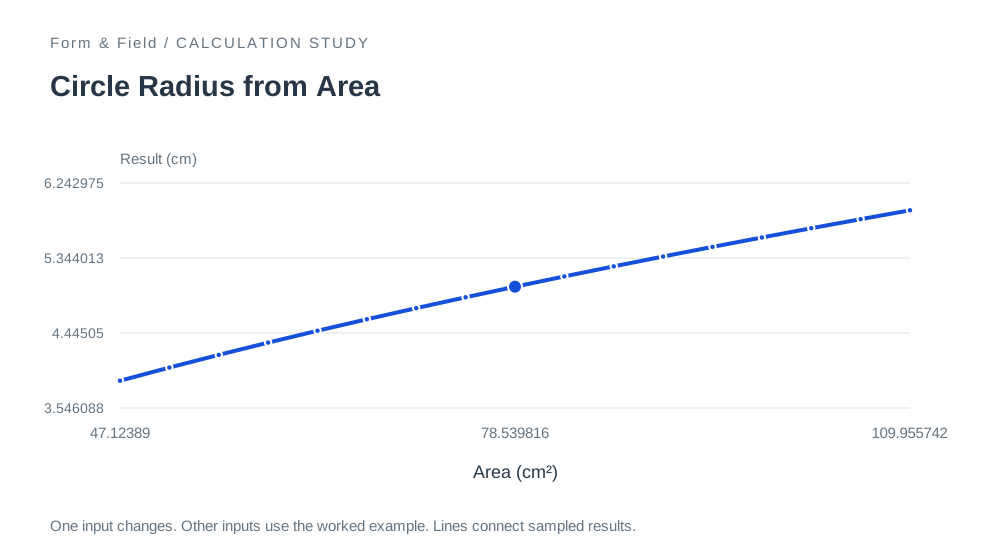
Inverting the circle-area relation recovers a radius from a known surface area.
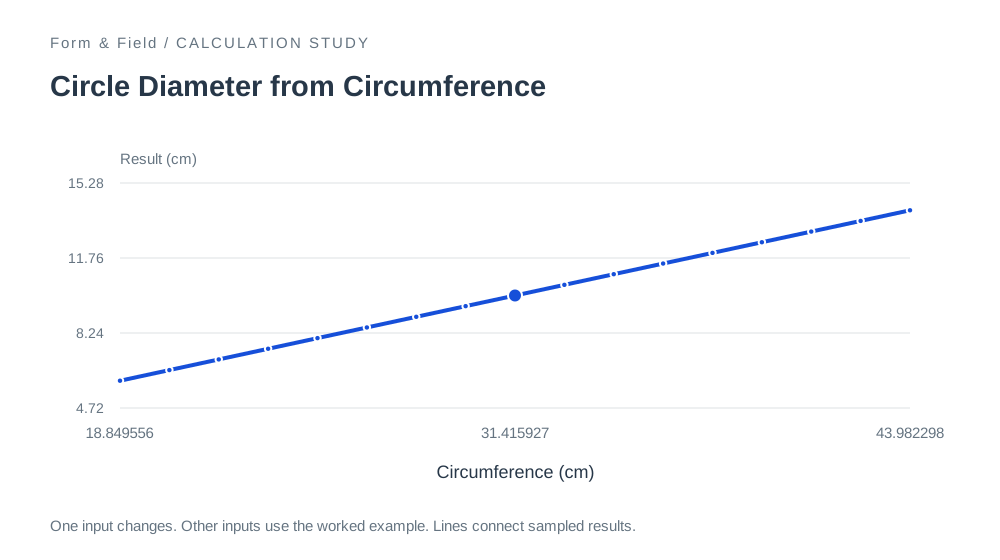
The ratio of a circle's circumference to its diameter is constant, so division by pi reverses the measurement.
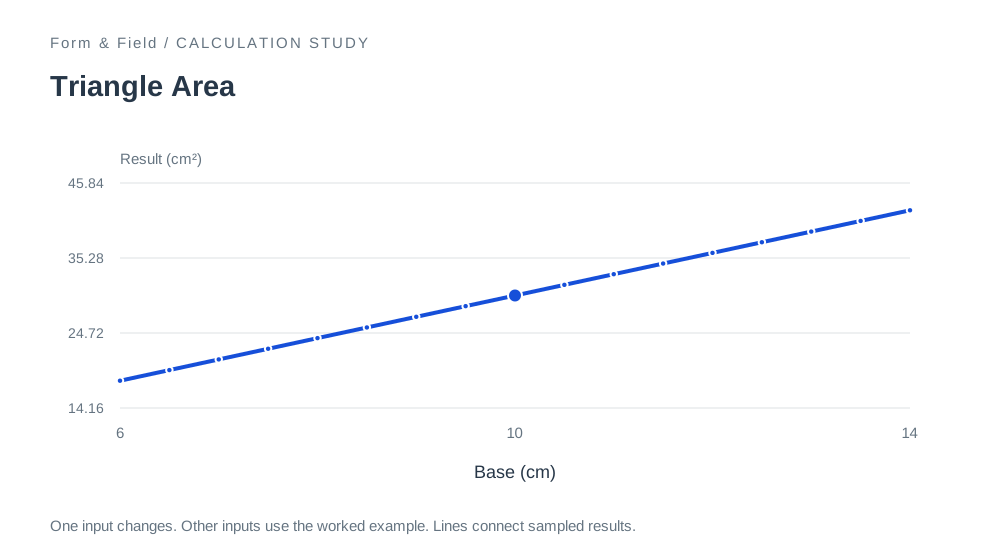
A triangle fills half a parallelogram with the same base and perpendicular height.
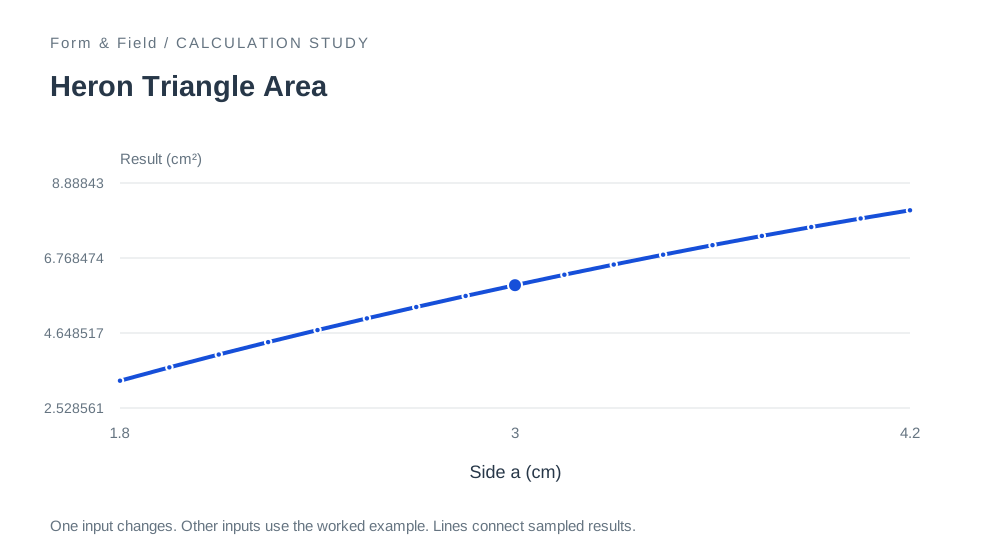
Heron's formula finds triangle area from the three side lengths alone.
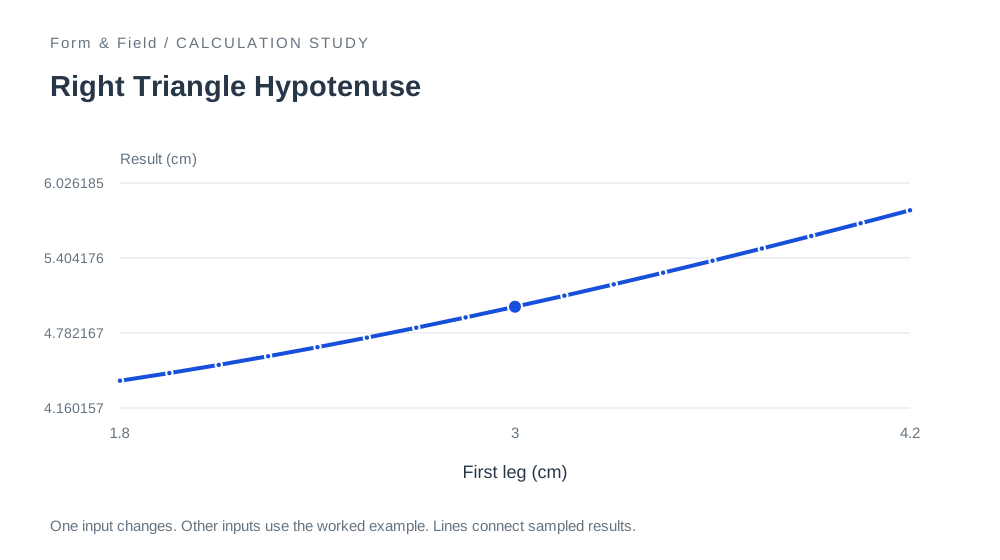
The hypotenuse sits opposite the right angle and is always the longest side of a right triangle.
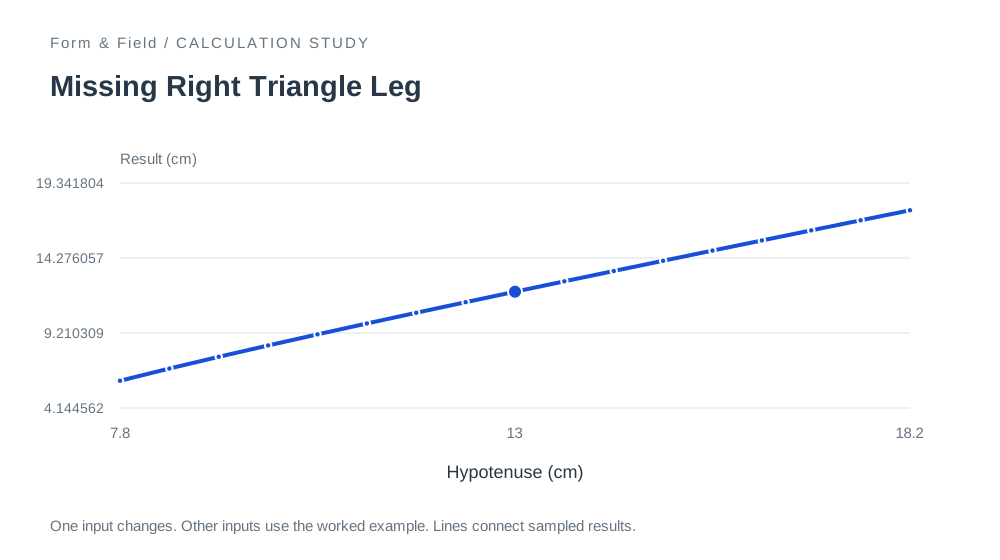
Rearranging Pythagoras finds the missing perpendicular leg when the longest side and one leg are known.
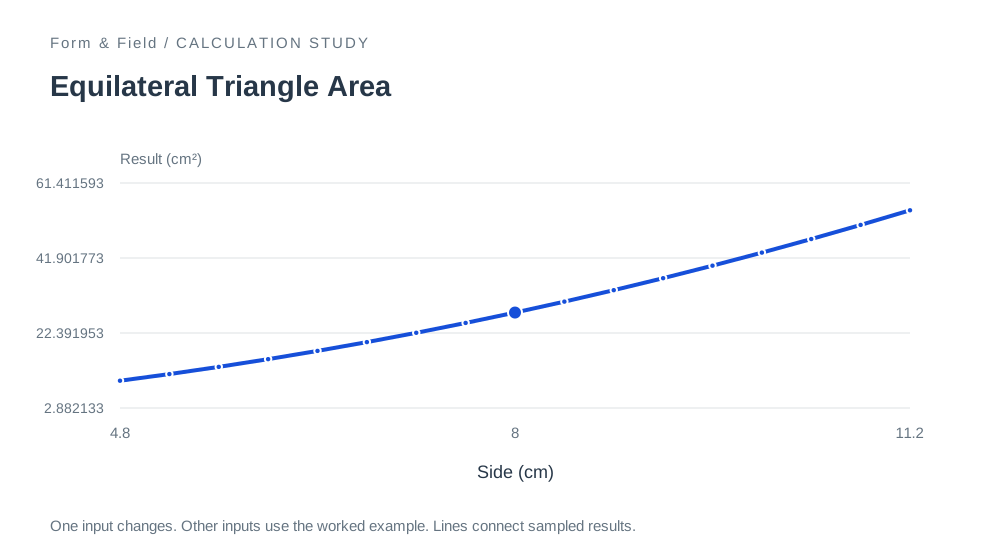
An equilateral triangle divides into two matching right triangles, which explains the square-root-of-three factor.
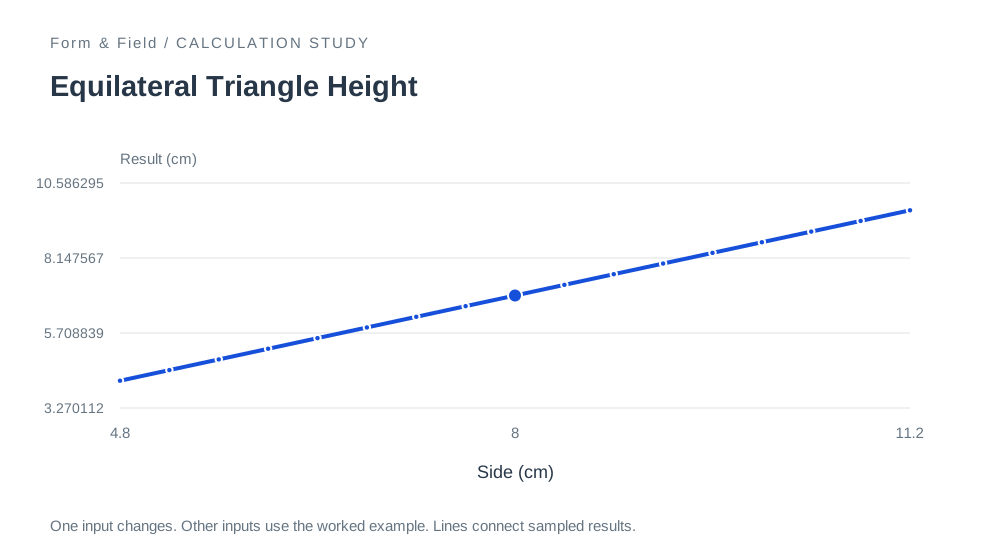
The altitude of an equilateral triangle bisects its base and forms a thirty-sixty-ninety triangle.
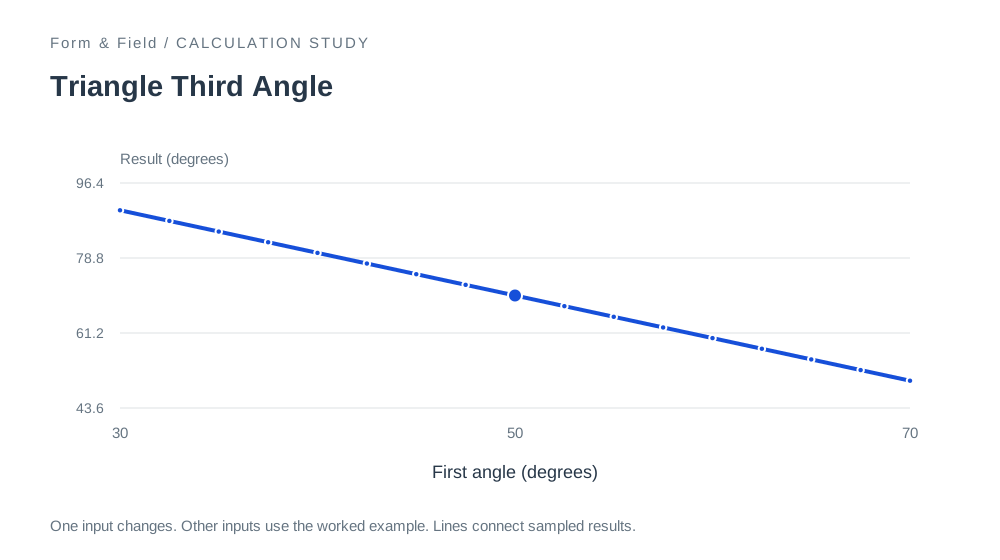
Interior angles of a Euclidean triangle sum to one hundred eighty degrees.
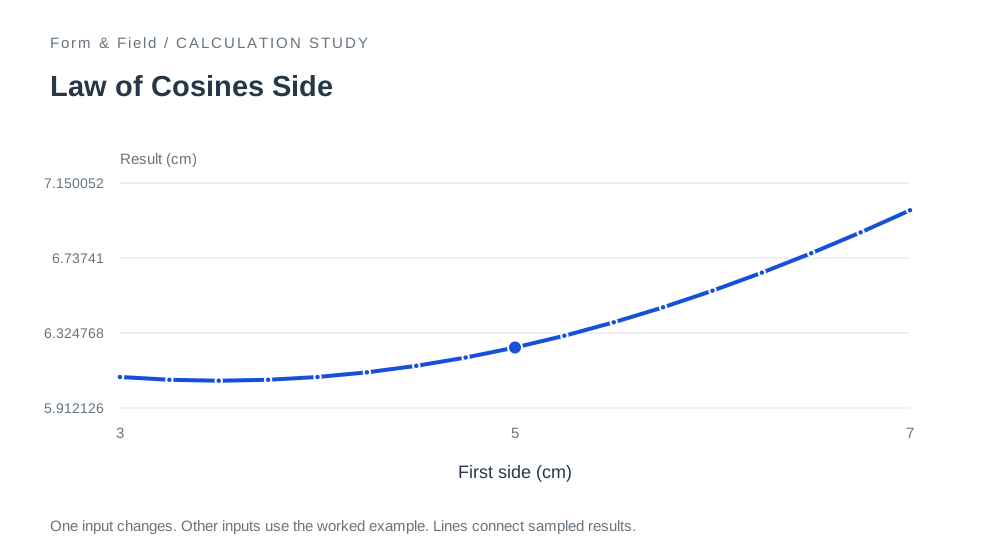
The law of cosines extends the right-triangle relation to any included angle.
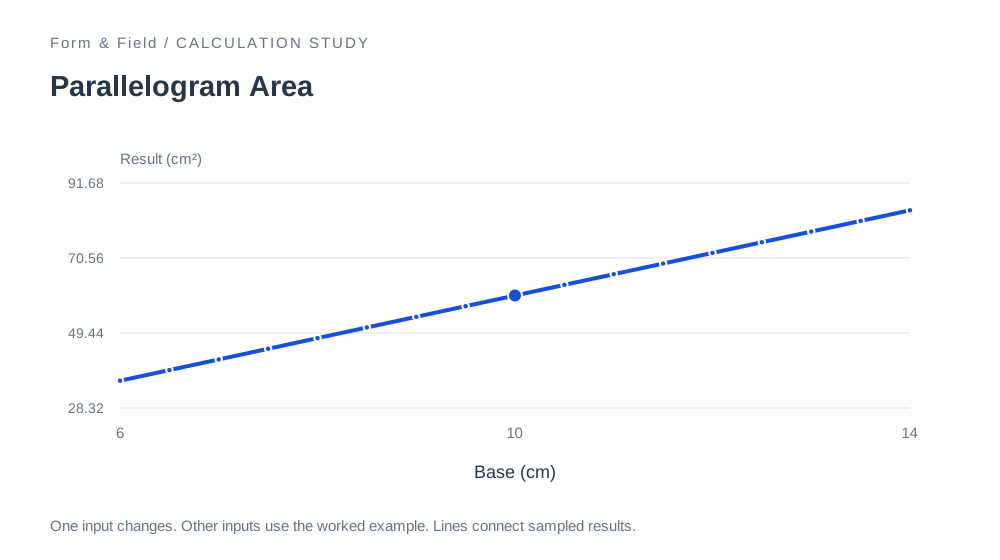
Sliding a corner triangle to the other side turns a parallelogram into a rectangle without changing its area.
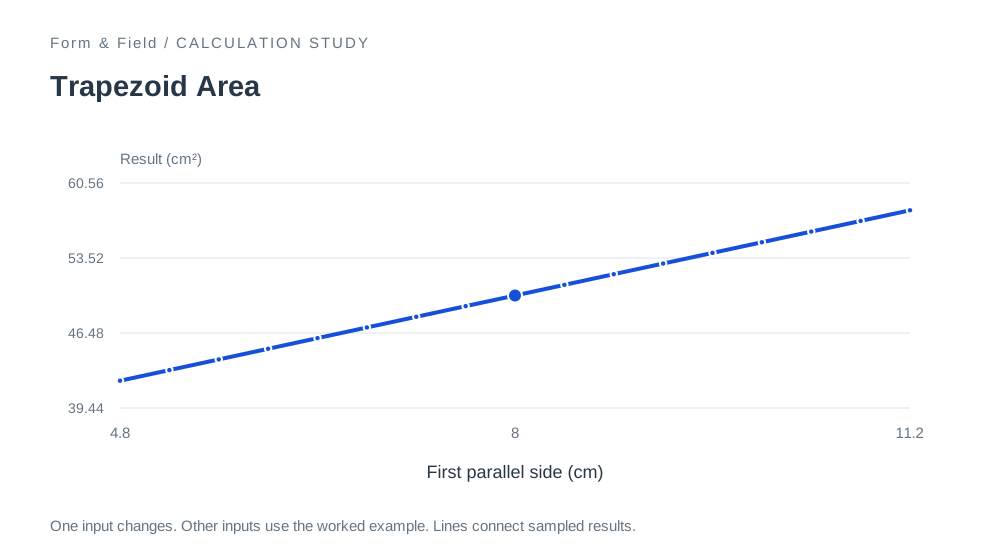
A trapezoid's average parallel width multiplied by its perpendicular height gives the enclosed area.
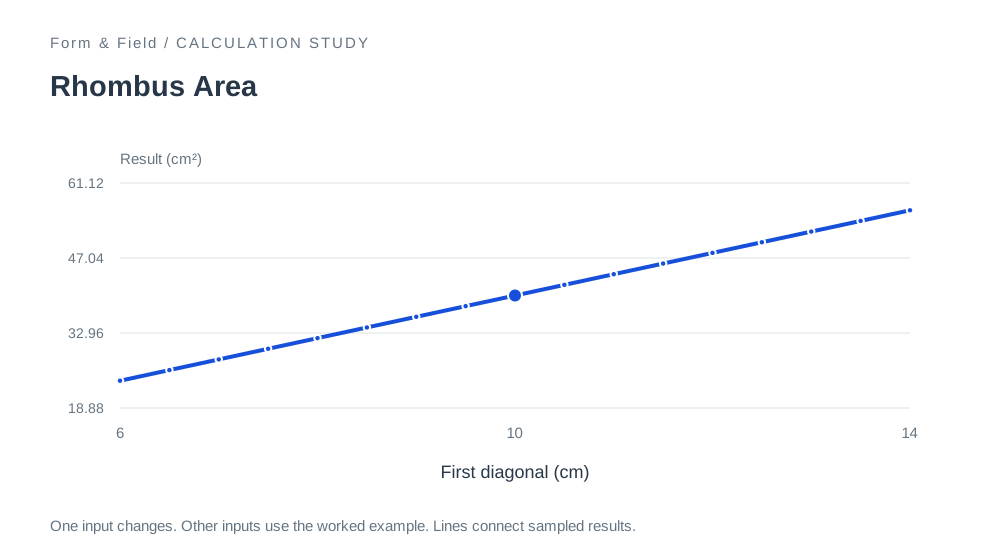
The perpendicular diagonals of a rhombus split it into four right triangles.
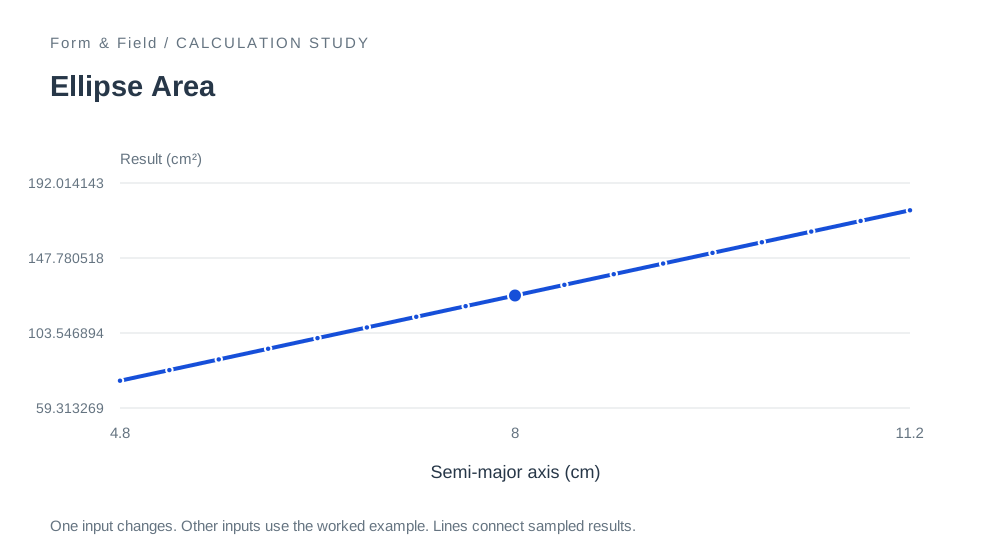
An ellipse can be viewed as a circle stretched independently along two perpendicular axes.
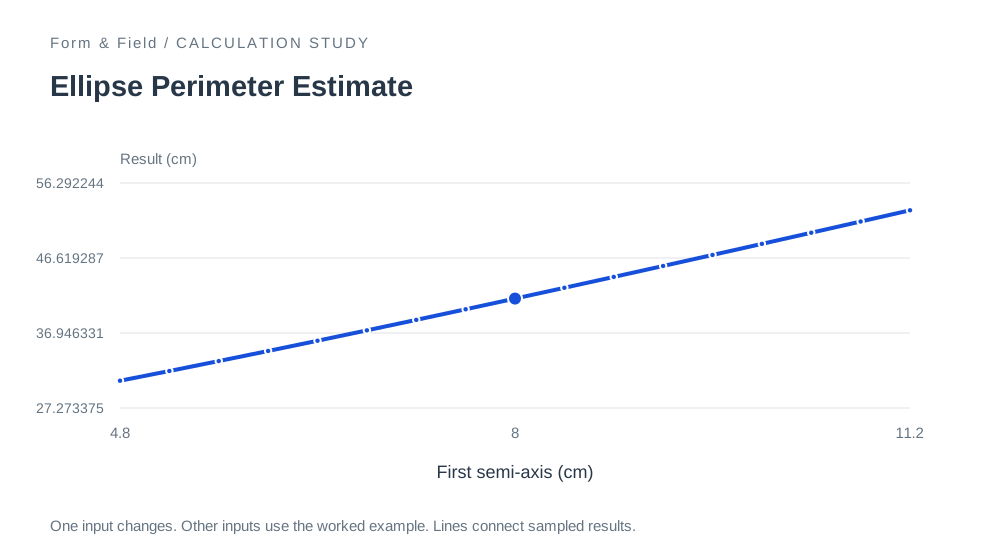
Ramanujan's first perimeter approximation gives a convenient estimate without evaluating an elliptic integral.
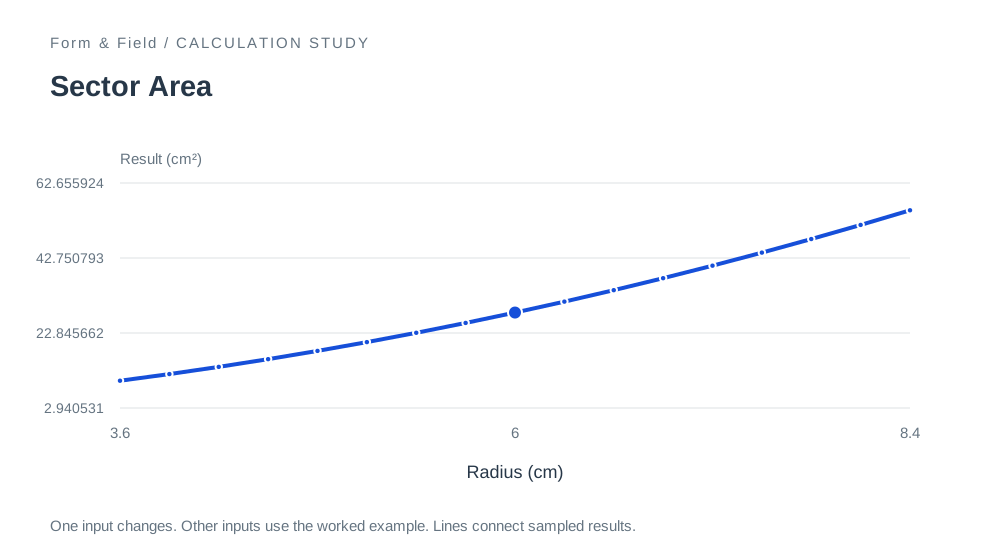
A sector is a fraction of a circle selected by its central angle.
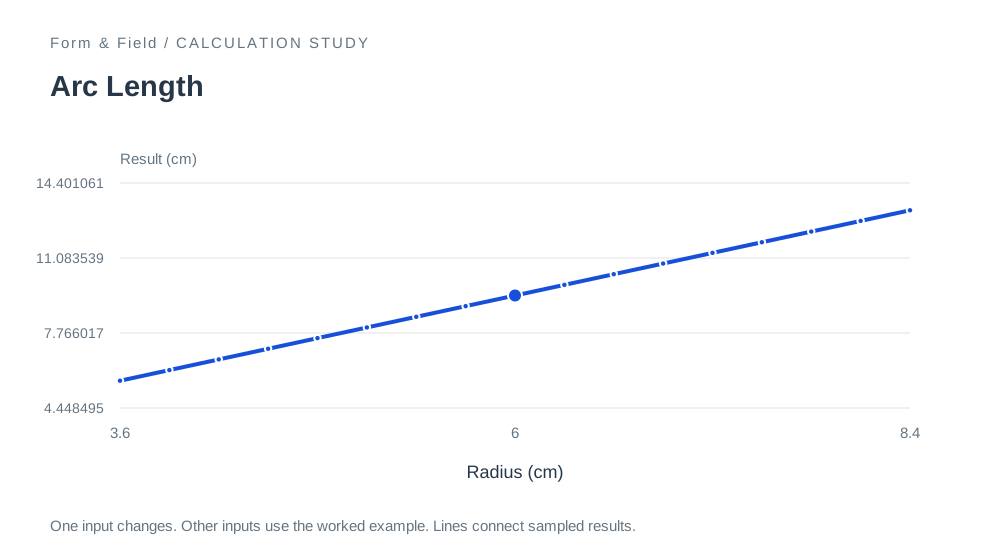
Arc length measures the curved boundary selected by a central angle.
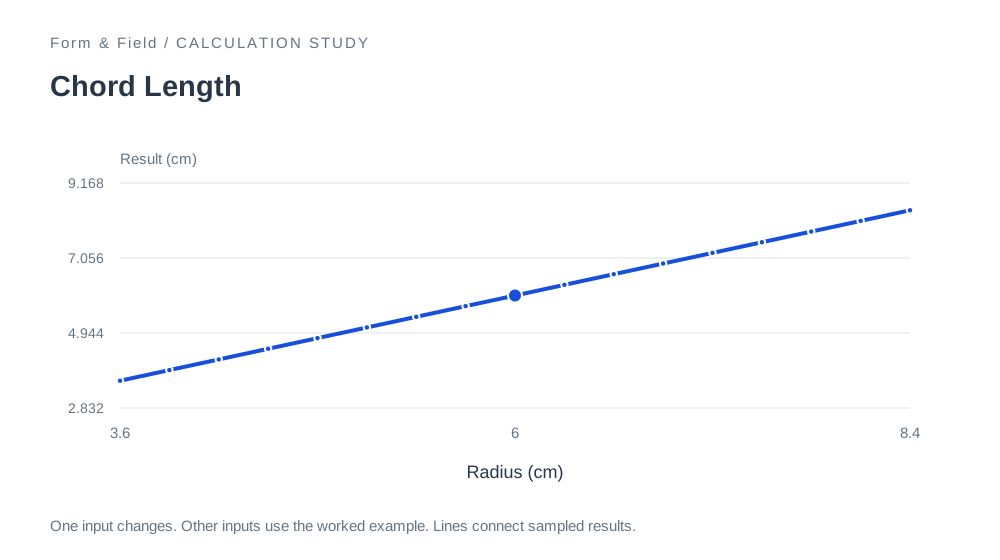
A chord is the straight segment between two points on a circle.
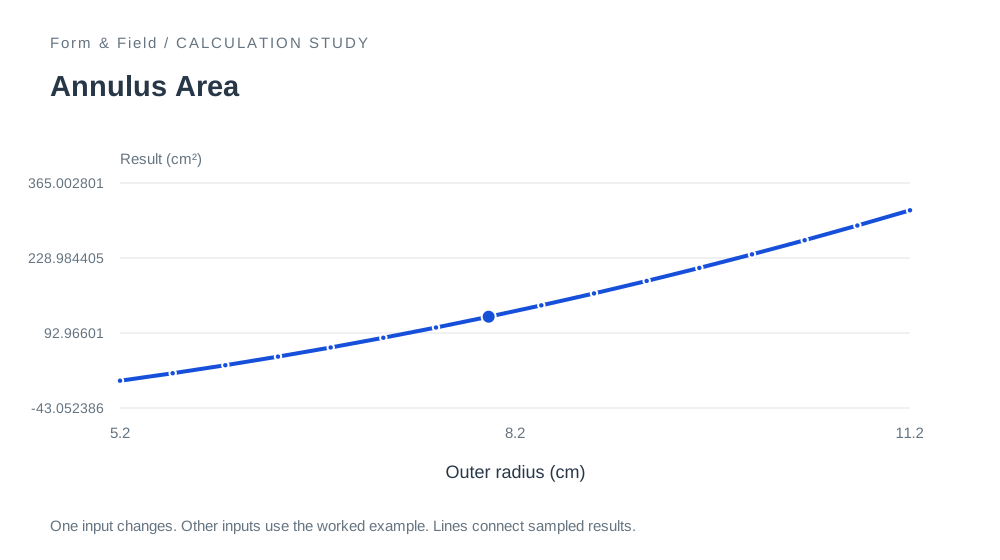
An annulus is the ring left after removing a concentric smaller disk.
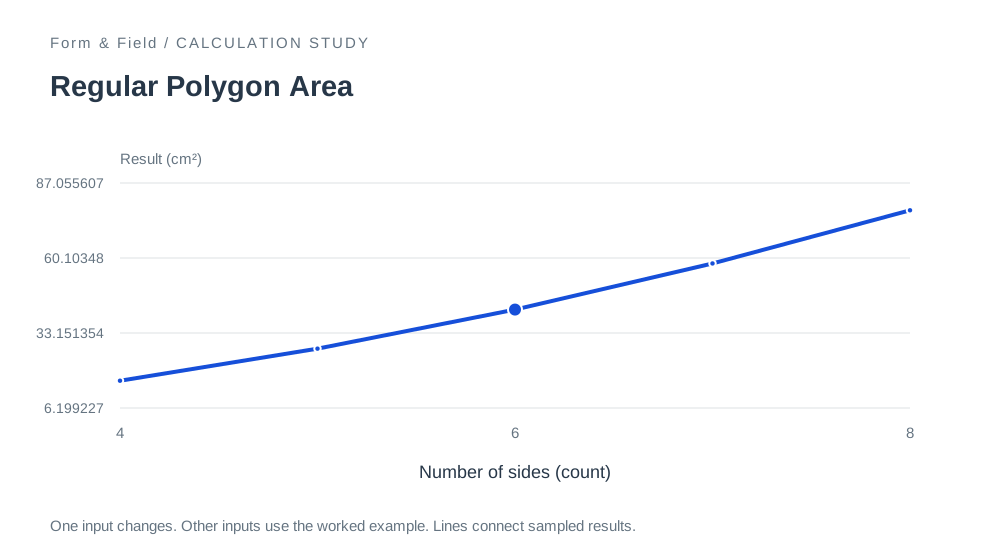
A regular polygon splits into congruent triangles around its centre.
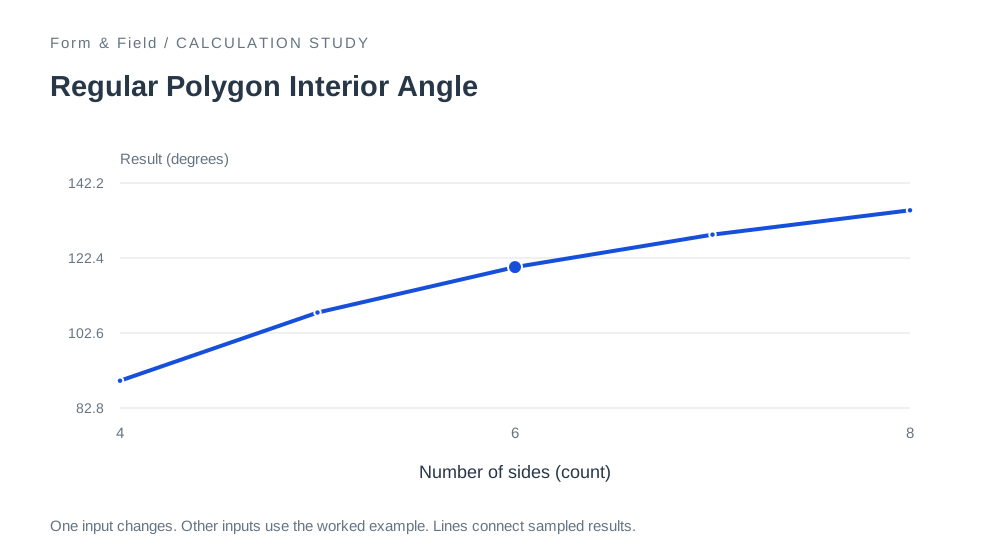
A regular polygon shares its total interior angle sum evenly across its vertices.
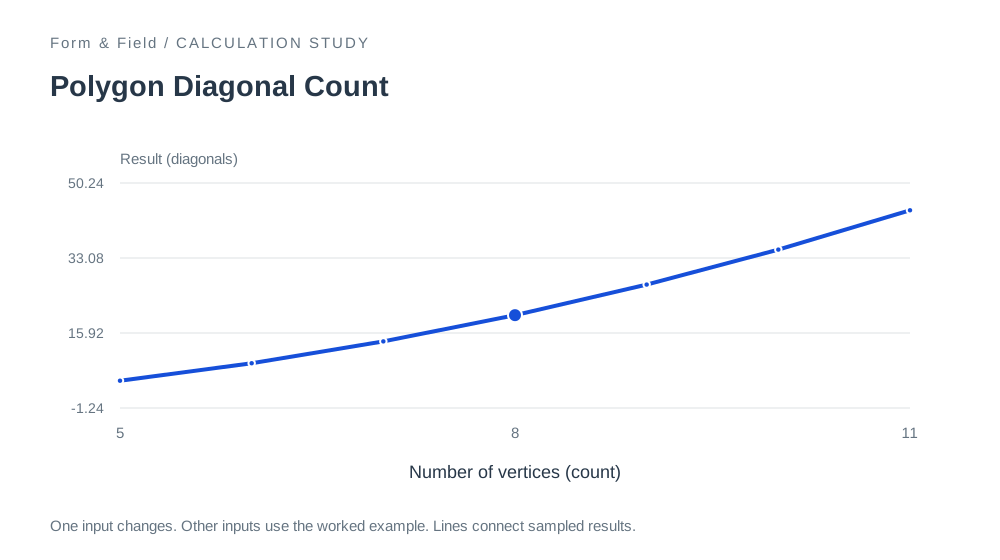
Each vertex connects by diagonals to all except itself and its two neighbours.
No matching articles. Try a shorter search or choose all categories.